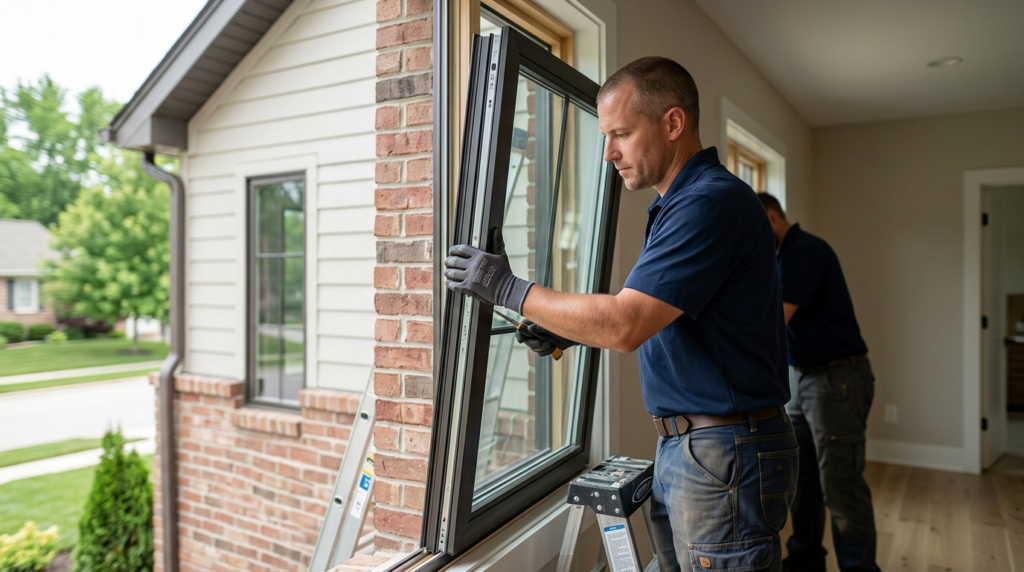
Quick answer: Reliable residential window replacement usually starts with a local installer who measures in person, explains window options in plain language, and provides a written quote that spells out product details, installation steps, and warranty coverage. Look for clear communication, a straightforward timeline, and clarity on permits, disposal, and insurance. A good company will also explain water-management and air-sealing details so the new windows perform as expected.
How to Vet a Local Window Replacement Company
Start by searching for residential window replacement near me and then narrow the list by how the company handles the basics: scheduling an on-site measurement, confirming what’s included, and putting everything in writing. A reliable quote should specify the window brand/series (or equivalent description), glass package, grid style (if any), color/finish, and whether interior trim or exterior capping is included.
Quick “near me” verification checklist: confirm state/local licensing where applicable (ask for the license number and verify it with the issuing agency), request a current certificate of insurance (general liability and workers’ comp where applicable), get a written scope of work (what’s removed, what’s installed, what’s repaired), confirm who pulls permits if your area requires them, confirm haul-away/disposal is included, and read recent local reviews from the past few months (look for patterns in scheduling, cleanliness, and warranty follow-through rather than one-off complaints).
Ask a few practical questions before you commit: Who does the install work (in-house crew or subcontractors)? How do they protect floors and furniture? What’s the plan if they find rot or water damage once the old unit comes out? You’re looking for direct answers, not vague reassurances. Also confirm how warranty service works—product warranties are separate from workmanship warranties, and you want to know who you call if a sash sticks or a seal fails.
Repair vs Replacement: A Simple Decision Flow
Repair is often reasonable if the frame is solid and square and the problem is isolated: a broken lock, worn weatherstripping, a sash that won’t stay up (balances), or a single cracked pane in a design where glass-only replacement is feasible. If you like the existing window style and the surrounding trim is in good shape, a targeted repair can buy time.
Replacement is often likely if you see moisture/fog between panes (seal failure), recurring water staining around the opening, soft/crumbly wood, visible frame warping, or multiple windows with the same operational issues. If the opening shows signs of long-term leakage, replacing only parts may not address the underlying problem.
During the on-site measure, ask questions that help prevent change orders: “What conditions would force a switch from insert to full-frame replacement?” “How will you determine if the existing frame is sound enough to keep?” “If rot is discovered, how is it documented and priced?” “What exterior water-management steps are included (flashing, sill details), and what is excluded?” Clear answers up front reduce surprises once the old window is out.
What to Decide Before the Measurement Appointment
Go into the appointment knowing your priorities. If comfort is the goal, ask about low-E coatings, gas fills, and frame types that reduce heat transfer. If noise is the problem, ask about glass thickness, laminated glass options, and how the installer seals the perimeter—installation details can affect sound control as much as the window package.
Clarify the installation approach: “insert” replacement (keeping the existing frame) versus “full-frame” replacement. Insert installs can be less invasive but depend on the existing frame being solid and square. Full-frame replacement is more work but can address rot, water intrusion, and insulation gaps. A typical project timeline is often measured in days for installation once materials are on hand, while ordering windows can take longer depending on customization and manufacturer lead times.
Also decide what finish details matter to you: interior casing reuse versus new trim, exterior wrap/capping color, and whether you want to change the window style (for example, double-hung to casement). Those choices affect both cost and the look of the house, so it helps to be clear before you approve a final quote.
How to Avoid Common Installation Problems
Many window complaints trace back to measurement, air sealing, or water management details rather than the window unit itself. Confirm the installer will measure each opening, not “assume” sizes based on one window. Ask how they handle out-of-square openings and what materials they use for shimming and insulating (low-expansion foam is common, but it must be applied correctly to avoid bowing frames).
Discuss how they will seal the exterior. The goal is to block wind-driven rain while still letting any incidental moisture drain. That often involves appropriate flashing and a clean caulk line in the right locations—not sealing everything so tightly that water gets trapped. Inside, the trim should be installed without gaps, and the window should operate smoothly and lock without forcing.
If you want help getting an estimate or talking through options, contact Georgia Home Windows.