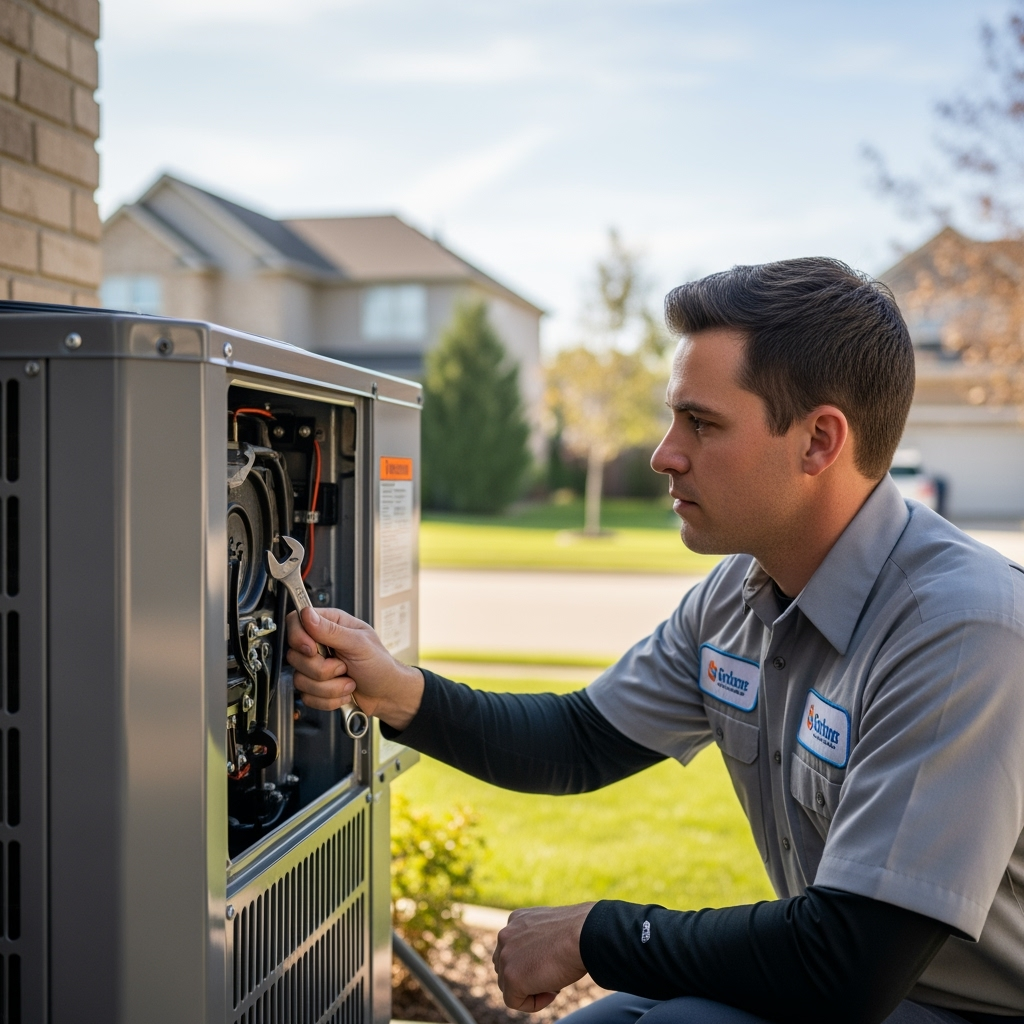
I know how stressful it can be when your heating or cooling goes wrong, so I want to make finding hvac services near me simple and useful. If you’re wondering what to look for or when to call a pro, the Department of Energy has solid tips on energy-efficient heating and cooling that can help guide decisions for your home’s comfort and cost savings: Energy.gov. In this guide I walk you through what good local HVAC work looks like, the trends shaping the industry, and clear steps you can take today to prevent emergencies and lower bills.
Why choosing local HVAC services matters
Local HVAC pros know the climate, building styles, and code requirements for the city and neighborhoods they serve. That means faster responses, parts on-hand, and recommendations that are practical for homes in this area. Beyond speed, local technicians build reputations in your community — they can point to past jobs in nearby blocks and often offer seasonal maintenance plans that match local weather cycles.
What sets confident local technicians apart
Look for teams that explain work in plain language, offer transparent pricing, and provide clear timelines. A reliable local contractor will also focus on these three things: safety, efficiency, and comfort. They diagnose rather than guess, back up recommendations with measurable readings (temperatures, static pressure, refrigerant charge), and explain the ROI on upgrades like programmable thermostats and high-efficiency systems.
Common HVAC problems I see and how to spot them early
Some issues are easy to ignore until they become emergencies. Catching them early saves time and money. Here are the most common symptoms homeowners report and what they usually mean:
- Uneven temperatures between rooms — often a sign of poor airflow, an undersized system, or duct leaks.
- Higher than normal utility bills — can indicate failing components, dirty coils, or an aging system losing efficiency.
- Strange noises or frequent cycling — may be loose parts, failing motors, or a refrigerant issue.
- Persistent odors or poor indoor air quality — could be dirty filters, mold in the ductwork, or combustion problems with furnaces.
Smart upgrades and two trending topics shaping local HVAC work
The HVAC industry is evolving fast. Two trends I recommend homeowners pay attention to are electrification and smart controls.
Heat pumps and electrification
Heat pumps have improved dramatically and are now suitable for many homes that used to rely on fossil-fuel heating. They provide both heating and cooling in one system and can cut energy costs when sized and installed correctly. Many local contractors now offer hybrid systems that combine a heat pump with a high-efficiency furnace for cold snaps. If you’re considering an upgrade, ask how the new system will perform in the coldest months in your neighborhood and what incentives or rebates may apply.
Smart thermostats and connected controls
Smart thermostats do more than let you control temperature from a phone. They learn usage patterns, integrate with zoning systems, and give data you can use to reduce wasted energy. When paired with proper system maintenance, a smart thermostat can deliver noticeable monthly savings while improving comfort in different rooms.
How to choose the right local HVAC service
Not every contractor is a fit for every home. Use this short checklist to evaluate options and protect yourself from surprises.
- Verify licensure and insurance. Licensing rules differ by state, and insurance protects your home if something goes wrong.
- Ask about warranties and maintenance plans. A good company stands by its parts and labor and will offer routine tune-ups.
- Request a written estimate that explains scope, parts, and labor costs. Avoid vague quotes that leave room for large add-ons.
- Confirm emergency and seasonal availability. Reliable local teams offer priority service when summer heat or winter cold hits.
Practical maintenance tasks you can do right now
Routine care extends equipment life and improves efficiency. Here are simple steps most homeowners can perform safely between professional visits:
- Replace or clean filters every 1–3 months depending on use and filter type.
- Keep outdoor units clear of debris, leaves, and overgrowth to allow proper airflow.
- Check vents and registers to be sure furniture isn’t blocking them and that airflow is balanced between rooms.
- Run a quick system check in spring and fall: turn the AC/heat on and listen for unusual noises or smells.
When to call for repairs versus scheduling replacement
Deciding whether to repair or replace an HVAC system comes down to age, repair history, performance, and the cost of the needed fix. Here’s a straightforward way I walk clients through the decision:
If the system is under 10 years old and the repair is relatively inexpensive, repairing usually makes sense. If the unit is more than 12–15 years old, frequently breaks down, or uses outdated refrigerant, replacement with a modern system typically yields better comfort and energy savings. Ask any contractor to show you the estimated seasonal energy efficiency improvements and projected payback period for a new system — a transparent pro will provide numbers, not just sales speak.
Emergency situations and what to do right away
Some issues require immediate attention for safety or to prevent major damage. If you encounter any of the following, call a licensed technician and, when appropriate, your utility provider:
- Gas smell near the furnace or gas line — evacuate and call professionals immediately.
- Electrical burning smell or frequent breaker trips tied to HVAC operation — shut off the unit and seek professional help.
- Complete loss of cooling during a heatwave or loss of heat in dangerously cold conditions — seek emergency HVAC service to avoid health risks.
How local HVAC teams help reduce long-term costs
Good contractors don’t just fix one problem; they look for root causes that reduce efficiency and create recurring failures. When I evaluate a home, I look at system sizing, ductwork condition, thermostat strategy, and insulation. Small changes often lead to big savings: sealing duct leaks, upgrading to a higher-efficiency air handler, or improving attic insulation all reduce runtime and monthly bills. Many utilities and government programs offer rebates for efficiency upgrades, so always ask a contractor about available incentives and the paperwork needed to claim them.
Real-world improvements you can expect
Depending on the work, typical improvements include lower energy bills, fewer breakdowns, and better indoor air quality. For example, switching to a high-efficiency heat pump or a high-SEER air conditioner with proper installation can reduce cooling costs by a noticeable percentage in summer months. Pair that with zoning or a smart thermostat and you gain both comfort and control.
Questions to ask during your first service call
When a technician arrives, you should feel informed, not overwhelmed. Here are the key questions I recommend asking so you get clear answers and a fair estimate:
- What are the exact steps you’ll take to diagnose the problem?
- Which parts are recommended and why is each necessary?
- How long will the work take and will there be any disruption to my household?
- Do you offer any labor or equipment warranties, and how are follow-up issues handled?
Indoor air quality: an investment in health and comfort
Indoor air matters more than many homeowners realize, especially with seasonal allergens, wildfire smoke events, and tighter building envelopes. Simple filtration upgrades, whole-house ventilation systems, or UV lights can improve air quality dramatically. For households with allergies, children, or seniors, these changes are often worth the cost. If you’re balancing budget and benefit, ask a contractor to measure current indoor air quality or run a short-term test to quantify issues before recommending an expensive system-wide solution.
Wrapping up: how to get the most from local HVAC services
Finding reliable hvac services near me is about more than convenience — it’s about working with pros who understand this area’s climate, common home construction, and the local comfort challenges you face. Prioritize licensed, communicative technicians who offer clear estimates, dependable maintenance plans, and sensible efficiency upgrades. Use smart controls, consider electrification options like heat pumps where appropriate, and keep up with basic maintenance to avoid costly surprises.
If you want hands-on support or a local evaluation, I encourage you to schedule a consultation with a trusted contractor who serves the community. They can provide a clear plan that balances cost, comfort, and long-term energy savings.
For prompt, professional help from a local HVAC expert, contact HHMEC to discuss service options and schedule an inspection. For additional guidance on energy-efficient heating and cooling upgrades, the Centers for Disease Control and Prevention also offers resources on indoor air quality and health considerations: CDC.